
How Does Porn Change Your Brain? The Science Behind Porn, Dopamine and Sexual Habits

Watching porn occasionally does not automatically mean that something is wrong with your brain or your sexuality. But when pornography becomes frequent, compulsive, or the main way you experience sexual stimulation, it can influence how your brain responds to arousal, novelty, reward, and sexual cues.
That is why some people who regularly watch porn eventually notice changes in their sex life. They may find themselves needing more stimulation, losing interest in real-life intimacy, struggling to become aroused with a partner, or repeatedly returning to porn even when they genuinely want to stop.
So, what is actually happening in the brain?
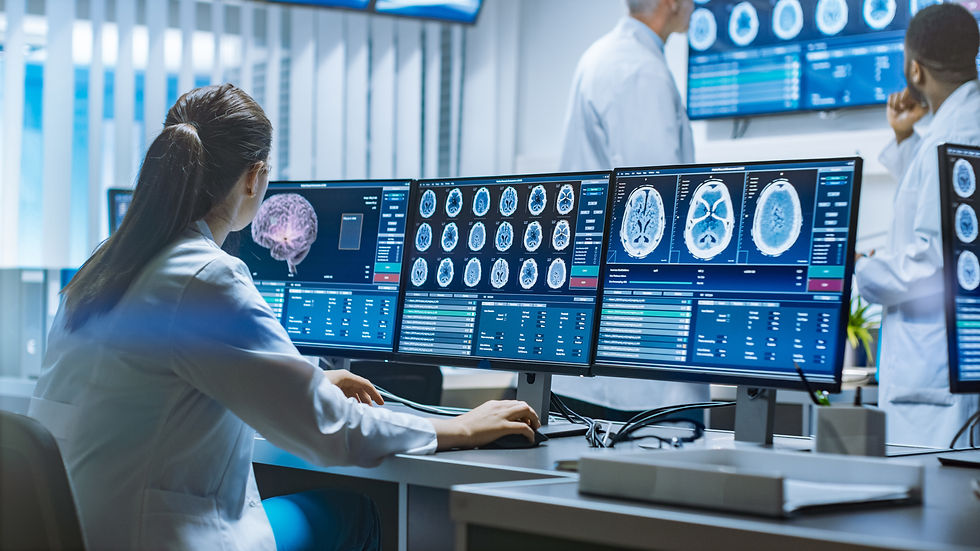
Porn Activates the Brain's Reward System
Sexual stimulation naturally activates the brain's reward system. One important chemical involved is dopamine, a neurotransmitter associated with motivation, anticipation, learning, and reward.
Porn can provide a rapid sequence of highly stimulating sexual images and videos. Unlike real-life sex, there is virtually unlimited novelty available within seconds. You can move from one person, scenario, or fantasy to another with a simple swipe or click.
That combination of sexual stimulation + novelty + instant access can make pornography particularly powerful for some people.
The issue is not simply dopamine itself. Dopamine is not a "pleasure chemical" that gets permanently depleted by porn. Rather, repeated exposure to highly rewarding experiences can influence what the brain learns to pay attention to and seek out.
Why Novelty Can Become So Important
Imagine watching the same movie every night. Eventually, it becomes familiar.
Porn offers the opposite experience.
There can always be another video, another performer, another category, another fantasy, or another variation. This constant novelty can keep sexual attention highly stimulated.
Over time, some people may begin seeking stronger or more novel material because ordinary content no longer produces the same level of excitement.
This does not mean that everyone who watches porn develops tolerance or escalates to extreme content. But for some frequent users, novelty becomes an important part of the arousal pattern.
And that can matter when real-life sex is compared with an endless digital menu of stimulation.
Can Porn Affect Sexual Arousal?
This is where things become particularly interesting.
Real-life sexual intimacy is usually slower and more complicated. There is touch, communication, emotional connection, body language, vulnerability, and sometimes anxiety.
Porn is different. The brain can receive intense visual stimulation almost immediately.
For some people, repeated reliance on pornography can create a strong association between sexual arousal and specific digital cues. When those cues are absent during partnered sex, arousal may become more difficult.
This has been discussed particularly in relation to porn-related erectile difficulties and performance anxiety.
However, it is important not to oversimplify this. Erectile dysfunction can have many causes, including vascular problems, diabetes, medications, hormonal factors, relationship difficulties, anxiety, depression, and other medical conditions.
Porn should not automatically be blamed for every erection problem.
Why Real Sex Can Suddenly Feel Different
One of the most frustrating experiences some men describe is:
This can create a confusing cycle.
The person notices difficulty during sex, becomes worried about losing the erection, starts monitoring their performance, and becomes anxious. That anxiety itself can interfere with sexual arousal.
Porn then becomes a form of reassurance because it provides a familiar and highly stimulating environment where arousal feels easier.
The brain learns:
Porn = reliable arousal
Partnered sex = pressure and uncertainty
The more this pattern is repeated, the stronger the association can become.
Does Porn Lower Testosterone?
This is one of the most common myths. There is no good evidence that simply watching pornography causes a lasting reduction in testosterone.
Sexual desire, erections, and testosterone are related, but they are not the same thing. Someone can have normal testosterone and still experience erection difficulties, compulsive porn use, or performance anxiety.
Likewise, someone can have low testosterone without having a porn problem.
If libido or sexual function has changed significantly, it is better to look at the complete picture rather than assuming porn is responsible.
Porn Can Become a Habit Without Feeling Like an Addiction
Not everyone who watches porn frequently has a pornography addiction.
A more useful question is:
Can you control your use, or does it control you?
Warning signs can include:
Watching porn longer than intended
Repeatedly trying to cut down and failing
Using porn whenever you feel stressed, bored, lonely, or anxious
Losing interest in real-life intimacy
Needing increasingly specific stimulation to become aroused
Continuing despite relationship or sexual problems
Spending significant time searching for or watching pornography
The frequency alone does not determine whether porn use is problematic.
The impact on your life matters more.
What Happens When You Stop Watching Porn?
The brain is capable of learning new patterns.
If pornography has become closely connected with sexual arousal, reducing or stopping it can give you an opportunity to rebuild other forms of sexual stimulation and intimacy.
For some people, sexual desire may temporarily feel different. They may experience stronger cravings, boredom, irritability, or a period where sexual arousal feels less intense.
This is sometimes called a "flatline," although the term is popular online rather than being a formal medical diagnosis.
There is no scientifically established number of days required to "reset" the brain. The experience varies considerably from person to person.
The goal should not be to chase a magical 30-day or 90-day reset.
The goal is to understand your sexual habits and develop healthier sources of arousal, intimacy, and emotional regulation.
The Bigger Picture
Porn does not simply "destroy your brain." That claim is dramatic but scientifically misleading.
The more accurate explanation is that repeated sexual experiences can shape learning, attention, habits, and arousal patterns. For some people, frequent pornography use becomes an important part of that conditioning.
If porn is affecting your erections, libido, relationships, confidence, or ability to enjoy real-life sex, the problem deserves attention.
Sometimes the solution is not simply "quit porn."
It may involve understanding performance anxiety, compulsive habits, relationship dynamics, masturbation patterns, sexual conditioning, and the thoughts that appear during intimacy.
"Your brain is not permanently damaged. Sexual responses can change, and learned patterns can change too" - Dr. Rishabh Bhola, Sex Therapist & Psychosexologist
Frequently Asked Questions
Does watching porn damage the brain?
Pornography does not automatically cause permanent brain damage. However, frequent and compulsive use can influence reward learning, attention, sexual cues, and habits in some people.
Can porn cause erectile dysfunction?
Porn may contribute to erection difficulties in some individuals, particularly when arousal becomes strongly dependent on pornography or when performance anxiety develops. However, medical causes of erectile dysfunction should also be considered.
Does quitting porn increase testosterone?
There is no strong evidence that quitting pornography produces a lasting testosterone increase. Changes in libido and sexual confidence after reducing porn may have other explanations.
How long does it take for the brain to recover from porn?
There is no scientifically established "reset" period. Changes depend on the individual's habits, frequency of use, sexual conditioning, mental health, and relationship factors.
Can porn addiction be treated?
Problematic or compulsive pornography use can be addressed through behavioral strategies, psychotherapy, and treatment of underlying issues such as anxiety, stress, compulsive behavior, or sexual difficulties.


